








Sudanese Wedding Photography at Shaam Banqueting Hall | Tradition & Elegance
Sudanese wedding photography gives us the opportunity to capture culture, family and genuine emotion. Our recent wedding at Shaam Banqueting Hall offered a wonderful glimpse into a celebration filled with tradition, connection and joy.
Every Sudanese wedding has its own unique character, as we discovered when capturing another beautiful celebration at Kew Gardens.
You can read more about this Sudanese wedding at Kew Gardens and discover how we documented the traditions, atmosphere and personal moments that made the day so special.
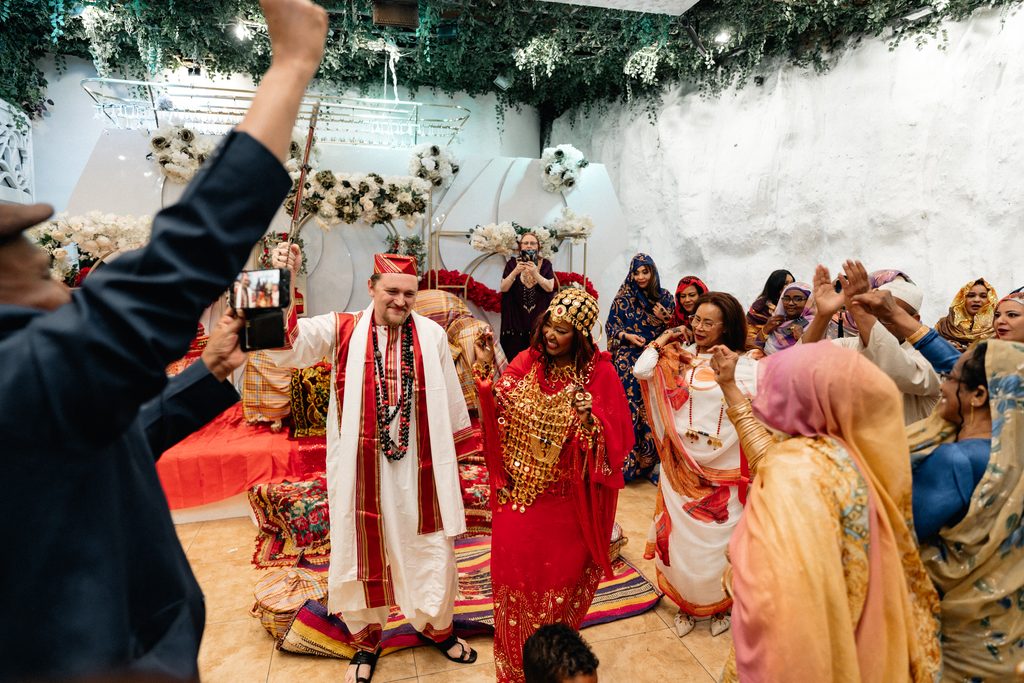
A celebration rooted in tradition
One of the things I love about cultural weddings is the meaning behind the celebrations.
In many Sudanese communities, a wedding brings two families together. Relatives and friends gather to celebrate the couple and share in their happiness.
Traditions vary between families and regions. Some celebrations include several events before the main wedding day.
Henna holds an important place in many Sudanese wedding traditions. The bride may have intricate designs applied to her hands and feet. Music, singing and dancing can add to the excitement.
Not every family follows the same customs. Some couples also blend traditional practices with modern wedding celebrations.
I find these differences fascinating. They remind me that every wedding deserves an individual approach.
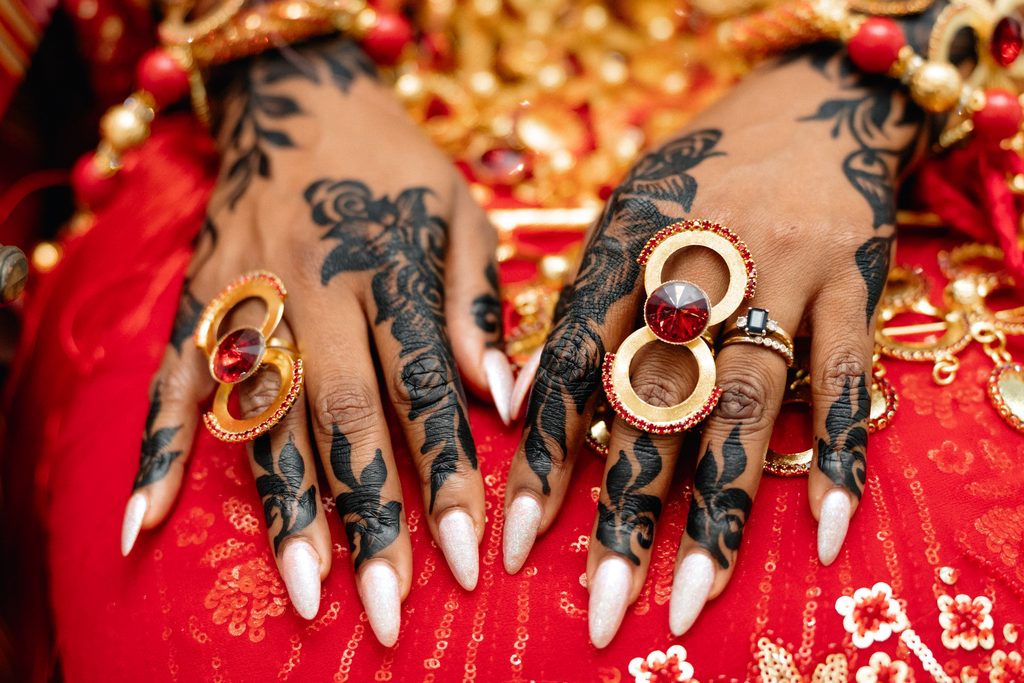
The Elegance of Traditional Attire
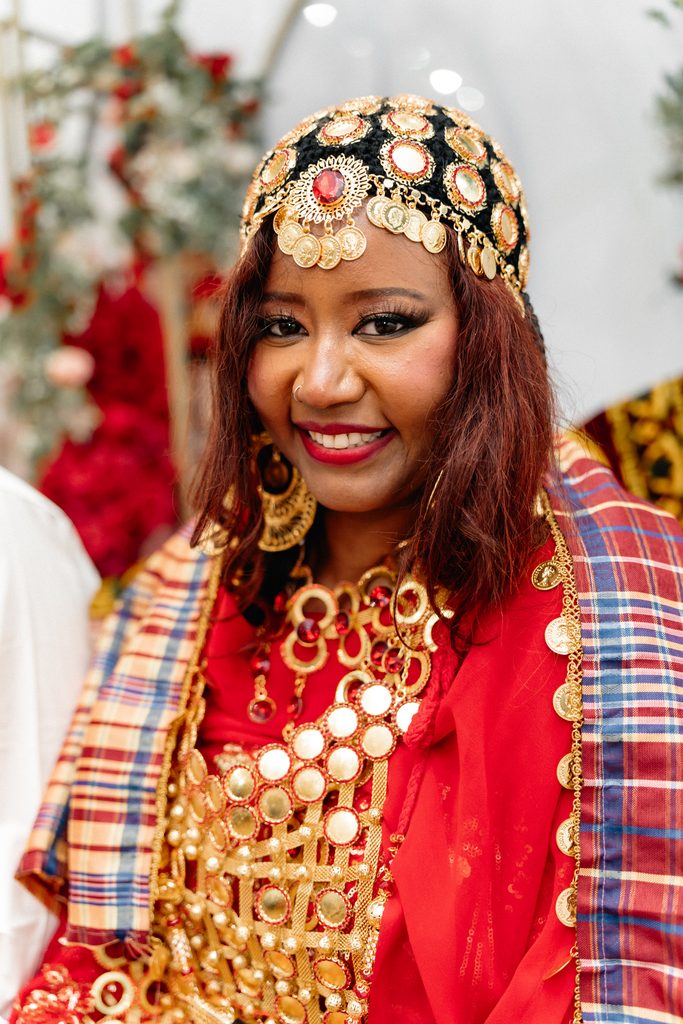
Traditional clothing can be one of the most striking features of a Sudanese wedding.
The toub holds particular significance in Sudanese culture. Women traditionally wrap this long piece of fabric around the body and drape it over the head and shoulders.
The result can be incredibly elegant. Colours, patterns and fabrics vary, allowing each woman to express her personal style.
Some brides choose a traditional toub for their wedding celebrations. Others combine Sudanese clothing with contemporary bridal fashion.
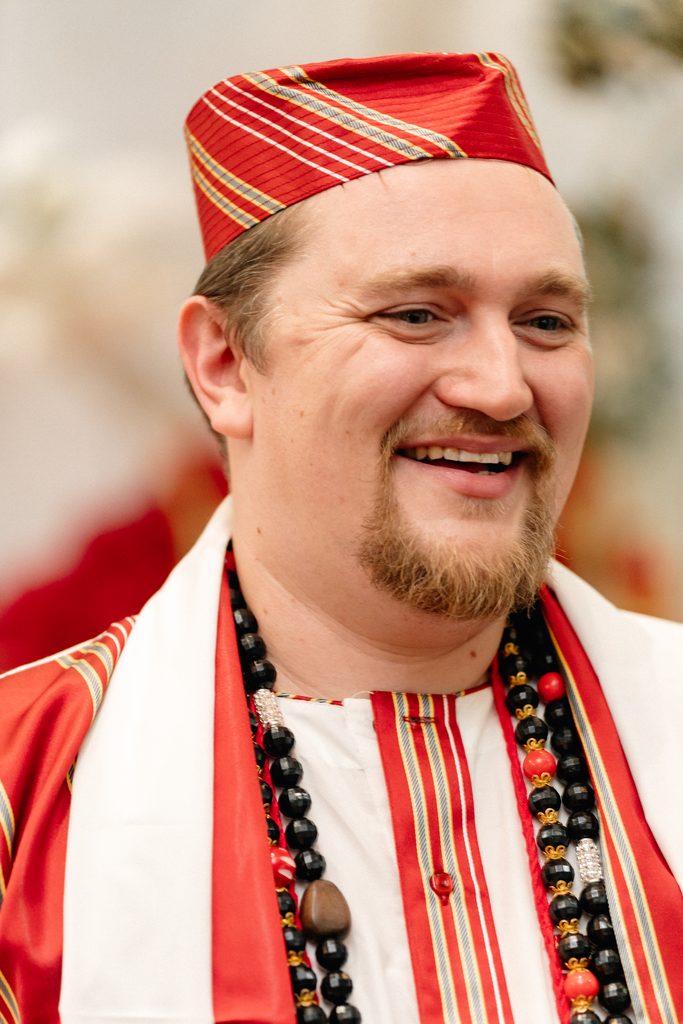
Grooms may also incorporate traditional attire. A jalabiya, for example, offers a distinctive alternative to a modern suit.
These choices often carry meaning beyond appearance. They can reflect cultural identity, family heritage and personal pride.
From a photography perspective, traditional clothing offers wonderful opportunities to capture texture, movement and detail. The right light can bring out the beauty of the fabrics without distracting from the person wearing them.
For me, the most important thing is to photograph these details naturally. The images should celebrate the couple and the traditions that matter to them.
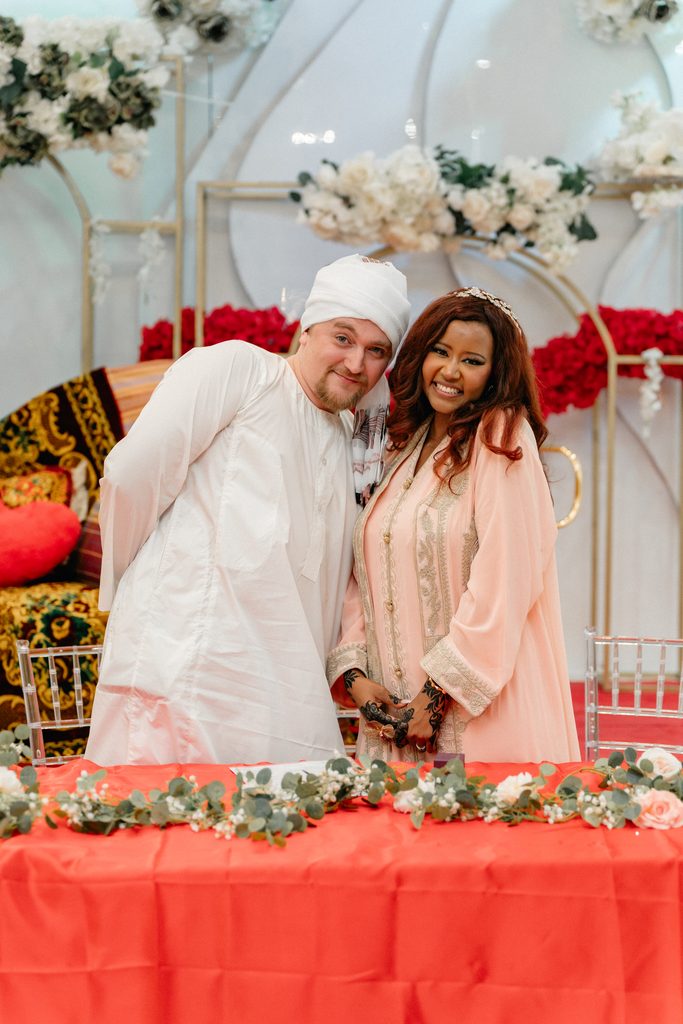
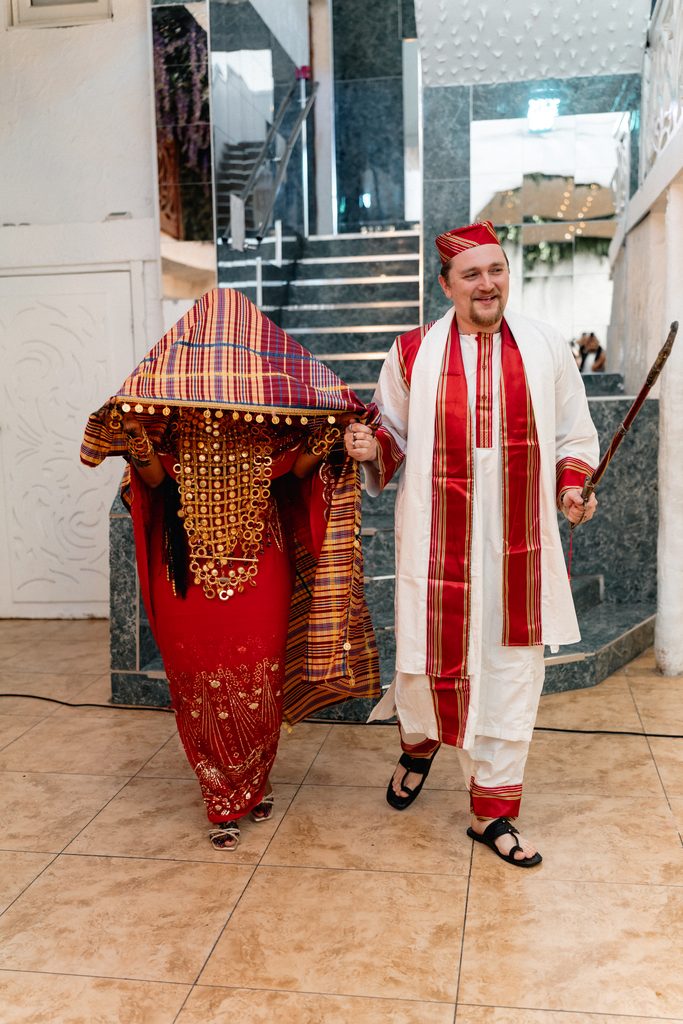
A Sudanese Wedding Reception at Shaam Banqueting Hall
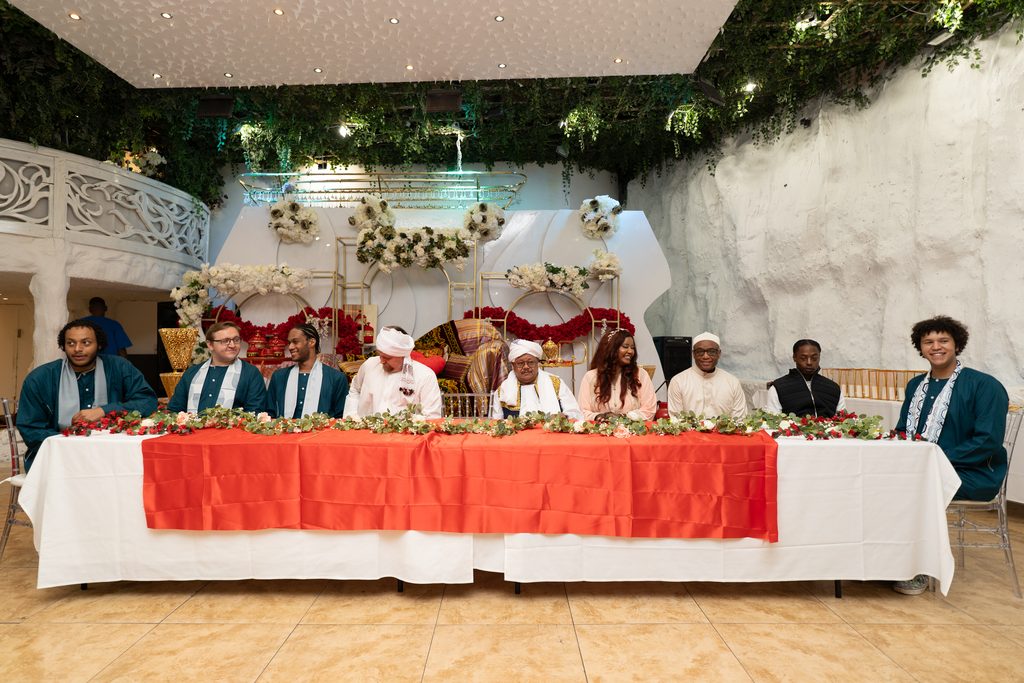
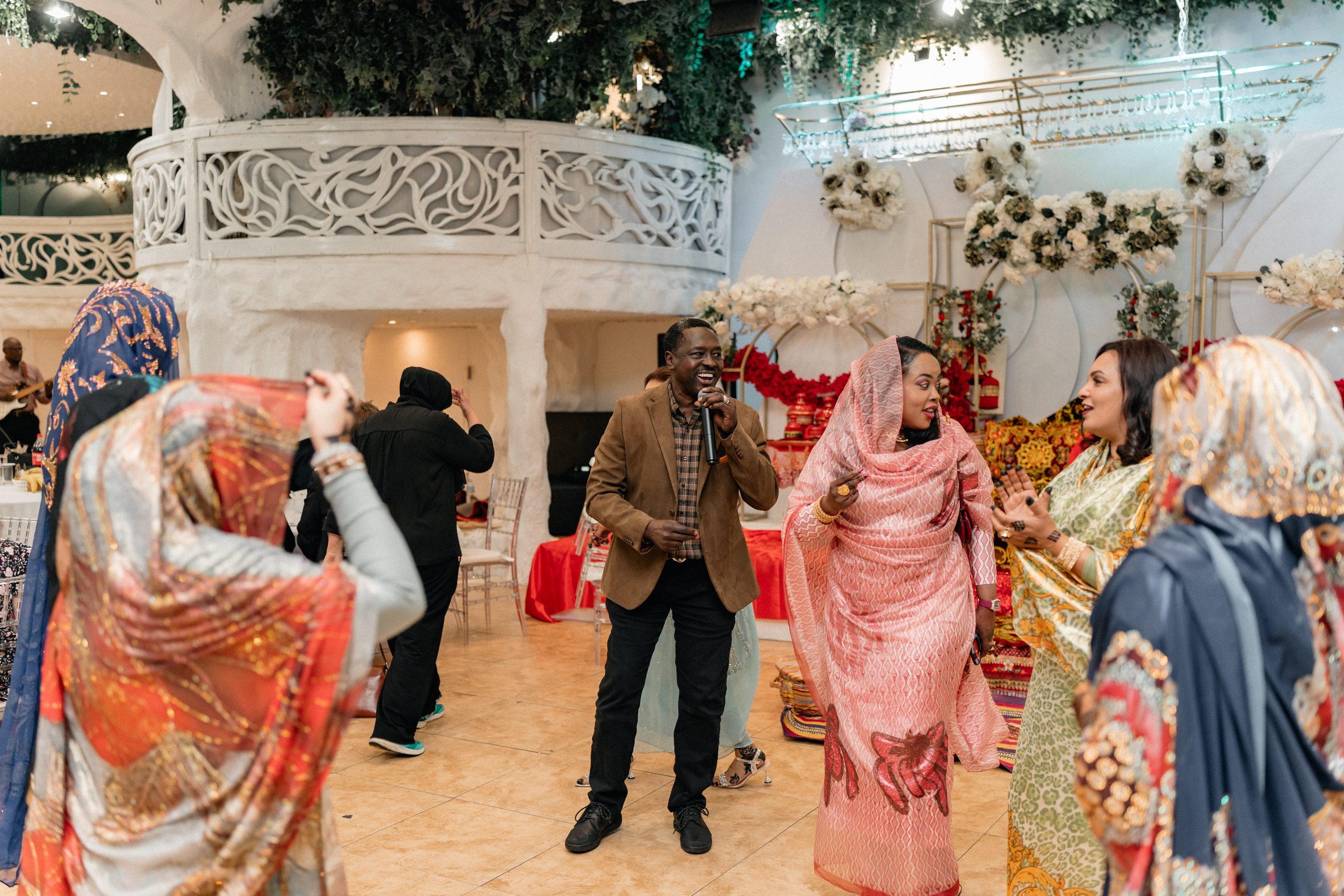
Shaam Banqueting Hall provided the setting for this celebration, bringing everyone together under one roof.
Banqueting halls are a popular choice for Sudanese wedding photography and large cultural weddings because they provide space for family gatherings, dining, entertainment and dancing. They also offer an opportunity for couples to personalise the surroundings with their own decorations and styling.
At weddings like this, the atmosphere is often just as important as the setting itself.
There is the anticipation before the celebrations begin, the excitement of guests arriving and the conversations between relatives who may not have seen one another for some time.
Then there are the smaller moments that can easily go unnoticed: a proud parent watching the couple, friends sharing a joke or family members embracing.
These are the moments I always look out for when photographing a wedding.
Of course, the formal portraits and beautifully composed images are important. But I also want couples to have photographs that bring back the feeling of being there.
Sudanese Wedding Food and Hospitality
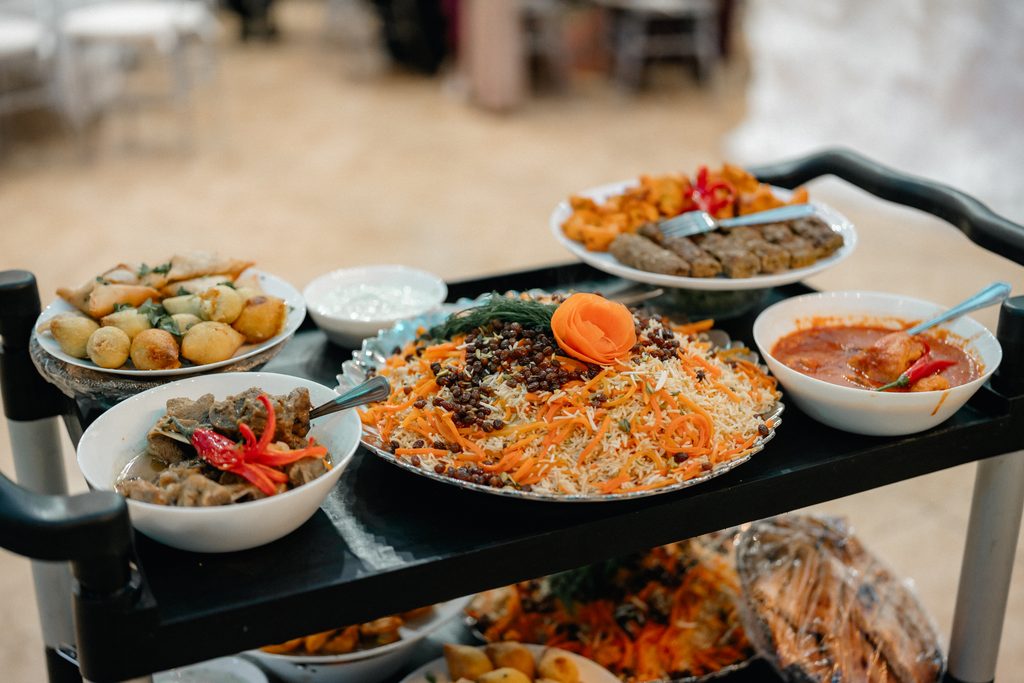
Food plays an important role in Sudanese culture, and weddings can be a wonderful expression of that hospitality.
Sharing a meal brings people together, particularly during celebrations where extended family and friends gather to mark an important milestone.
Depending on the family’s regional background and preferences, a Sudanese wedding menu may include traditional dishes such as kisra, aseeda, mullah and ful medames.
Kisra is a thin, fermented flatbread commonly made from sorghum. It is often served alongside stews and sauces.
Aseeda is a soft, dough-like staple that is traditionally eaten with savoury accompaniments. Mullah refers to a range of Sudanese stews and sauces, with recipes varying between households.
Ful medames, made from cooked fava beans, is another familiar dish in Sudanese cuisine, although it is especially associated with everyday meals and breakfast.
Depending on the celebration, guests may also enjoy rice dishes, grilled meats, sweets, tea and coffee.
Not every Sudanese wedding serves the same dishes, of course. Menus are shaped by family traditions, personal tastes and the style of the event.
Music, Dancing and the Joy of a Sudanese Wedding
If there is one element that can completely transform the atmosphere of a wedding reception, it is the music.
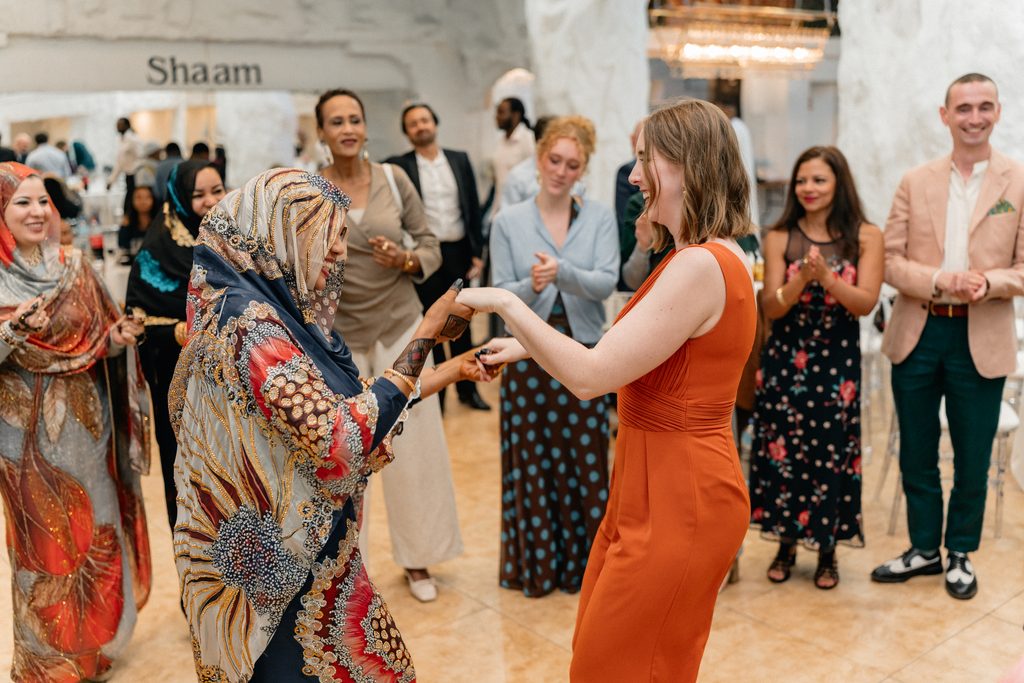
Sudanese celebrations may feature traditional songs, contemporary Sudanese music and popular tracks that bring guests onto the dance floor. Music and dancing can play an important role in bringing people together, although the style of entertainment varies between families and celebrations.
Some weddings incorporate the traditional dallouka, a hand drum associated with Sudanese music and celebrations. Rhythmic percussion, singing and familiar songs can create an atmosphere that feels both festive and deeply connected to cultural heritage.
The energy of a reception is always interesting to document because it changes throughout the evening.
The Importance of Family at a Sudanese Wedding
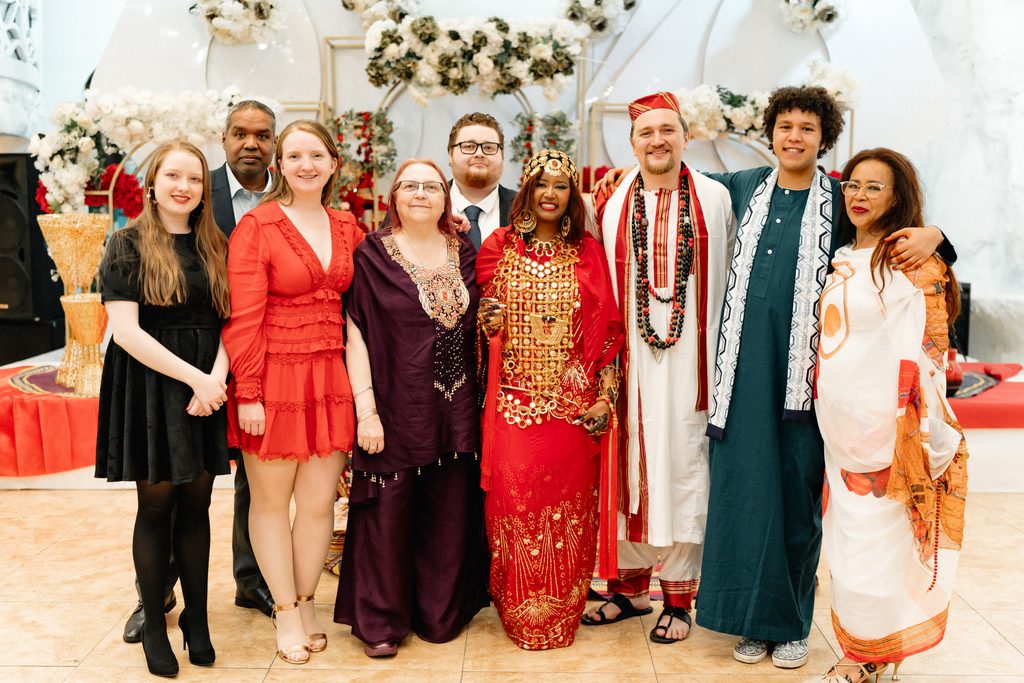
Family is often at the heart of Sudanese wedding photography celebrations.
With relatives travelling to attend, generations coming together and friends sharing in the occasion, the wedding becomes an opportunity to celebrate relationships as well as the couple themselves.
This is one of the reasons I enjoy photographing cultural weddings so much.
There is often a wonderful mixture of emotions throughout the day. Parents may feel proud and emotional, siblings may be full of excitement, and friends bring their own memories and stories into the celebration.
These connections deserve to be documented just as carefully as the couple’s portraits.
I always encourage couples to allow some time for photographs with their closest family members. Group portraits are important, especially when relatives have travelled a long way to attend.
However, I also look for the moments that happen in between.
The embrace after a photograph has been taken. The laughter during a family conversation. The expression on a parent’s face while watching the celebrations.
Years from now, these photographs can become some of the most meaningful images in the entire wedding gallery.
Planning a Sudanese Wedding in London?
If you are planning a Sudanese wedding at Shaam Banqueting Hall or another London venue, we would love to hear about your plans.
At Trilion Productions, we offer natural wedding photography and cinematic wedding videography, with a relaxed approach that allows you to enjoy your day while we capture the moments that matter.
Whether you are planning a traditional celebration, a modern wedding or a fusion of different cultures, we would love to help tell your story.
Get in touch with Trilion Productions to discuss Sudanese wedding photography and videography.
Your wedding is your story. We are here to preserve it.


Be the first to comment